
At Washington County Memorial Hospital, we understand that substance use disorders are complex medical conditions that require compassionate, comprehensive care. Our program focuses on helping individuals achieve sustainable recovery through a combination of medicated treatment, regular screenings, and ongoing support.
At Washington County Memorial Hospital, we understand that substance use disorders are complex medical conditions that require compassionate, comprehensive care. Our program focuses on helping individuals achieve sustainable recovery through a combination of medicated treatment, regular screenings, and ongoing support.
About the Program
Our Substance Use Treatment Program provides:
- Medicated treatment to curb cravings and support long-term recovery
- Comprehensive screenings and bloodwork to monitor overall health
- Substance Use Counseling to assist in next steps of recovery
- Education and resources to help patients and families navigate recovery
- Coordinated care between providers and community resources
Jessica Sampson RMA, CHW, MARS works closely with our medical providers to ensure every patient receives timely follow-ups, updated bloodwork, and essential screenings for conditions such as HIV, Hepatitis, and more. Her role ensures continuity of care and personalized support throughout each patient’s recovery journey.
What We Treat & Support
- Opioid use disorder
- Alcohol use disorder
- Other substance-related dependencies
- Co-occurring behavioral health concerns
- Relapse prevention and recovery maintenance
Program Benefits
- Reduces withdrawal symptoms and cravings through medicated support
- Encourages ongoing accountability through regular screenings
- Integrates mental health and primary care for whole-person wellness
- Provides compassionate, stigma-free care tailored to each patient’s needs
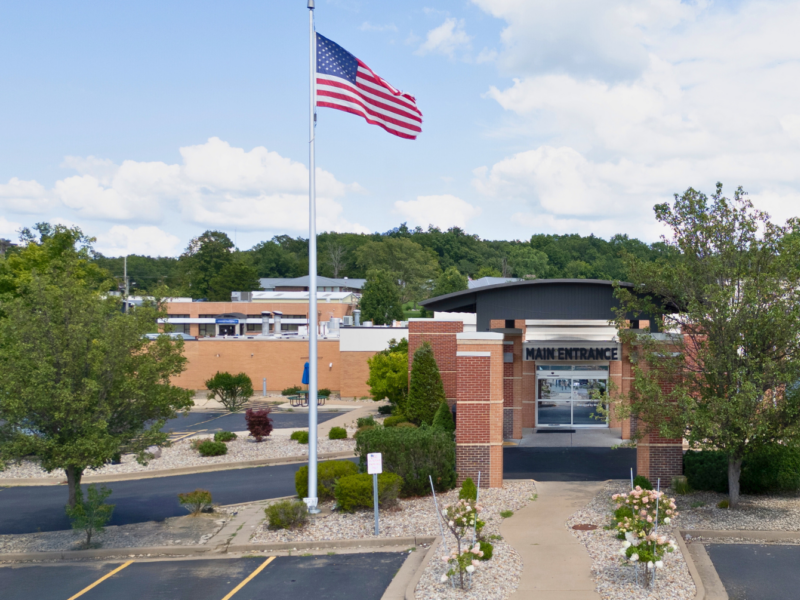
Location & Contact
Washington County Memorial Hospital
To learn more or schedule an appointment, call 573-438-5451 ext 1232 or ext 2346 and ask about our Substance Use Treatment Program
Additional Resources
- Emergency assistance: Call 911 or go to your nearest emergency department.
- National helpline: SAMHSA’s National Helpline – 1-800-662-HELP (4357).
- Our team of community health workers can connect you with local recovery groups and community resources for ongoing support.